Is Your Website Ready for AI Search? What GEO and AEO Actually Mean
ChatGPT, Perplexity and Google's AI Overviews are changing how people find businesses. Here's what that actually means for your website — without the hype.

People are typing questions into ChatGPT and Perplexity now instead of clicking through ten blue links. That part is real. What's also real: a lot of the advice about it is vendor hype dressed up as urgency.
Generative Engine Optimisation and Answer Engine Optimisation describe making a page easy for an AI assistant to quote rather than easy for a search engine to rank: a single clear sentence answering the page's core question near the top, real heading hierarchy matching how people ask, and correct schema so the page can be parsed without guessing.
What <a href="/services/accessibility-compliance/">AEO and GEO</a> Actually Mean
Answer Engine Optimization is writing content so it can be lifted cleanly as a direct answer — a featured snippet, an AI Overview, that kind of thing. Generative Engine Optimization is the same idea aimed at a different target: getting cited by name when someone asks ChatGPT or Claude a question. They overlap so heavily that most of the actual work is identical either way.
What Google Itself Actually Says About This
Here's the part most AEO/GEO marketing skips over. Google's own published guidance treats this as ordinary SEO, not some new discipline with its own rulebook. It specifically says an llms.txt file, content "chunking," AI-specific schema — none of it is required for Google's AI features to understand a site. A lot of what gets sold as urgent, brand-new strategy is really just SEO fundamentals wearing a new label.
“Google's own guidance treats AEO and GEO as part of ordinary SEO. Not a separate discipline. Not a new game.”
What <a href="/services/website-development/">Genuinely Does Help</a>
A handful of things show up again and again across sources that actually study this. Answer the core question early instead of building up to it. Use plain language a non-expert would understand. Structure with real headings and short paragraphs, not dense blocks of text. Keep factual details — services, service area, pricing — stated plainly and consistently, since these systems favor content that's unambiguous over content that makes them guess.
Why This Can Genuinely Help a Small Business
One genuinely encouraging pattern in this research: AEO tends to reward clarity and real expertise over sheer brand size. A small, well-run local business with honest, specific content can compete for AI-search visibility in a way that was much harder under pure ranking-based SEO. It's part of why every industry and location page on this site gets written around real, specific detail instead of filler — the same thing that makes content useful to a person reading it is what these systems tend to favor too.
A Reasonable Way to Think About Timing
AI referral traffic is still a small slice of overall visits, growing fast but starting from a small base. So this isn't a five-alarm fire, and it isn't nothing either. The unglamorous, correct approach: keep building clear, well-structured, factually consistent content as a normal part of running the site — not a separate project with its own line item in the budget.
Key Takeaways
- AEO is about being the direct answer; GEO is about being cited inside a generative AI's own response — related, overlapping practices.
- Google's own published guidance treats both as an extension of SEO, not a new discipline with new rules.
- What genuinely helps: answering the core question early, plain language, real headings, and consistent factual details.
- AEO tends to reward content clarity over brand size — a real opportunity for small businesses.
Quick Answers
Not a fundamentally different strategy. Google's own guidance treats this as an extension of good SEO, not a separate discipline. Clear, well-structured, genuinely useful content is the foundation either way.
No. Google's AI features still draw heavily from its own traditional search index, so SEO fundamentals remain what AEO and GEO build on, not what they replace.
Yes, more so than with some traditional ranking factors. AEO tends to reward content clarity and genuine expertise over sheer brand size or backlink volume.
Ready to Talk About Your Own Website?
Straight answers, no pressure — tell us what you're building.
More From the Blog
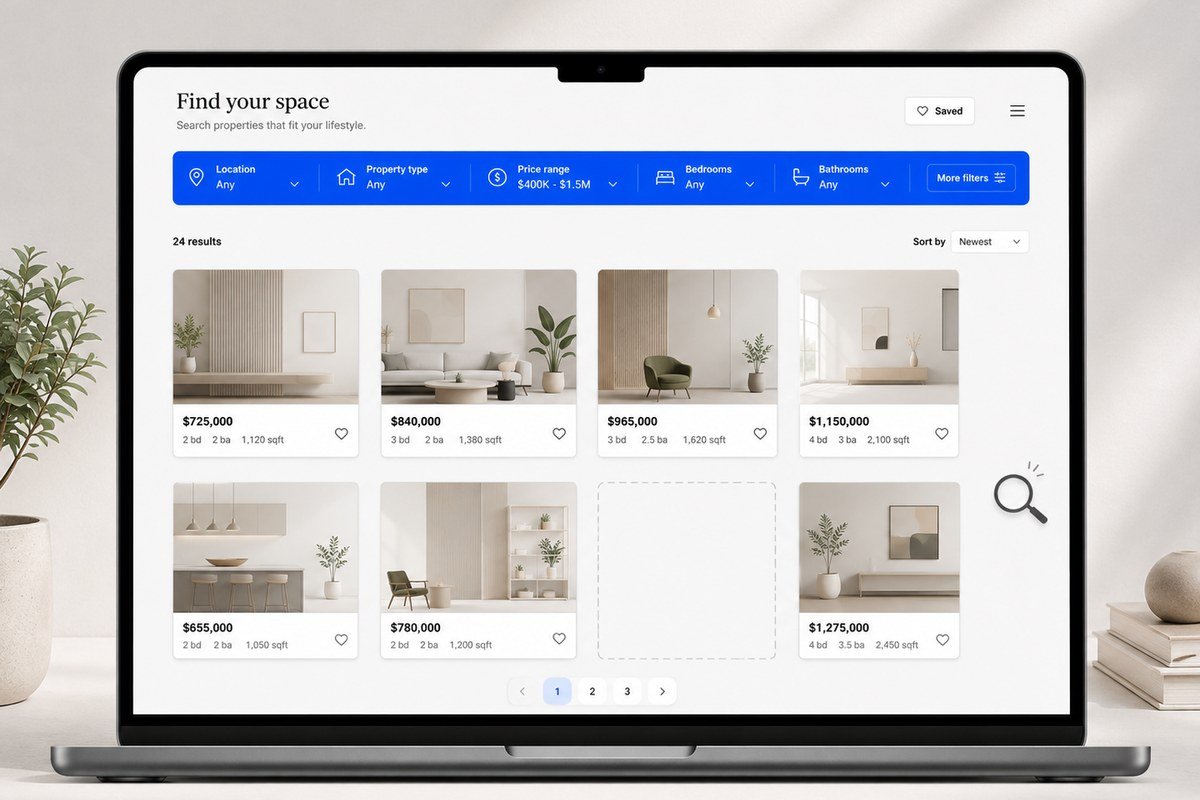
What a Real Estate Website Costs — and Why the Listings Often Cannot Be Found
Quotes run from $200 to $25,000, and the line item that breaks most of them is IDX. Worse, the way IDX is usually installed hides your listing pages from Google entirely.
Read Article
What a Law Firm Website Actually Costs — and Who Ends Up Owning It
Quotes run from $1,000 to $100,000 for what sounds like the same thing. The number matters less than a question most firms never ask until they try to leave.
Read Article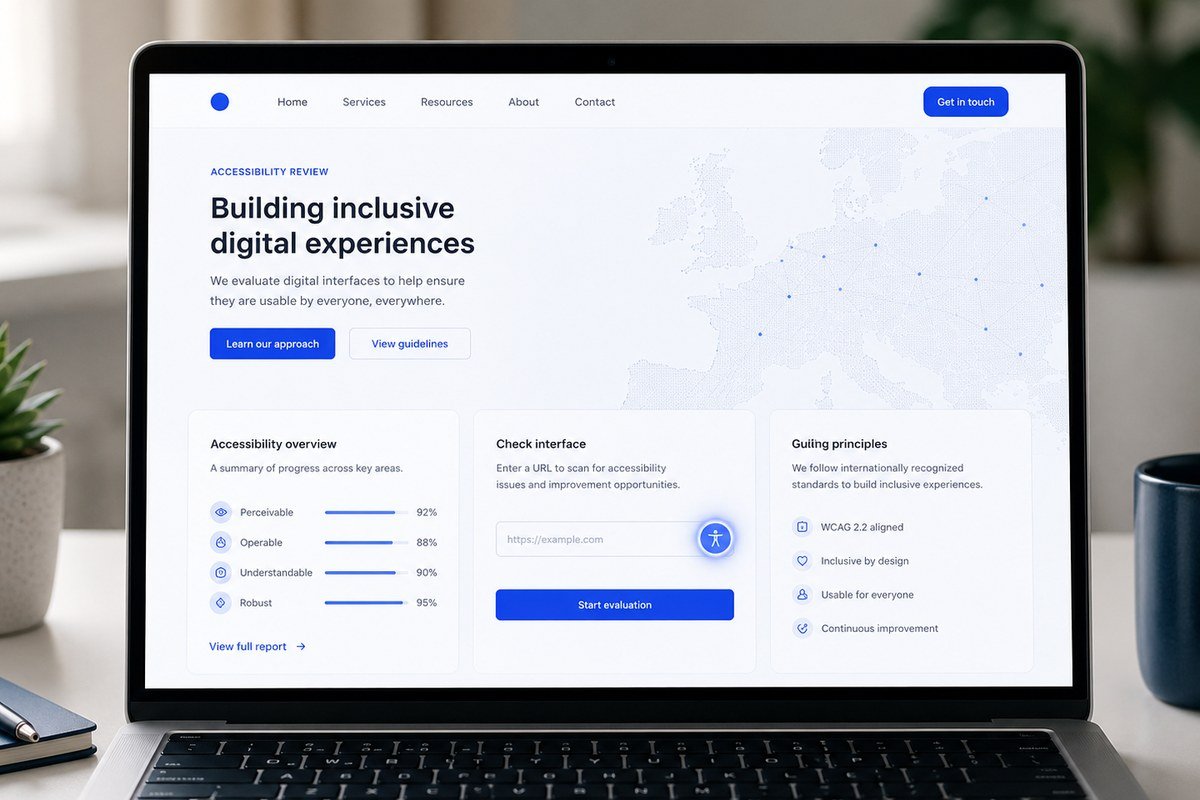
A Year of the European Accessibility Act: What Actually Happened
Enforcement began in June 2025. A year later the picture is genuinely mixed — real court action, real investigations, and, depending on which source you trust, possibly not a single fine.
Read Article